

close
Choose Your Site
Global
Social Media
Views: 0 Author: Site Editor Publish Time: 2026-04-09 Origin: Site


Why do two identical machines produce different results? Often, the issue is the Heat Press Pad. Many users ignore its thickness and material.This article focuses on how to choose the right Heat Press Pad. We will explain how thickness and materials affect performance.
In this article, you will learn how to select the best pad for stable pressure, better heat transfer, and consistent results.
A Heat Press Pad works as the base layer in any pressing setup. It sits between the machine surface and the material being processed. Without it, pressure becomes uneven, and heat transfer turns inconsistent. That directly affects the final result, especially in garment finishing or heat transfer applications.
In many systems, especially those involving steam or vacuum, the pad also supports airflow. It allows moisture to pass through instead of getting trapped. That improves both efficiency and finish quality.
A well-designed Heat Press Pad must perform under demanding conditions. It handles high temperatures, repeated compression, and continuous operation. If the material fails in any of these areas, performance drops quickly.
Let’s break down its core functions in a practical way:
Heat Resistance
The pad must tolerate high temperatures without deformation. In many industrial environments, temperatures can reach up to 250°C. A stable pad keeps its structure even after repeated heating cycles. If it softens or degrades, it will affect both pressure and heat consistency.
Pressure Distribution
The pad spreads force across the entire pressing area. Instead of concentrating pressure in one spot, it ensures uniform contact. This is especially important when working with large surfaces or uneven materials. Even pressure leads to more predictable and professional results.
Surface Protection
It acts as a buffer between the machine and the product. Without this layer, hard surfaces can damage delicate fabrics or printed materials. A proper pad reduces friction, absorbs impact, and protects the surface finish.
To see how these functions relate to performance, consider the following comparison:
Function | What It Does | Why It Matters |
|---|---|---|
Heat Resistance | Maintains shape under high temperature | Prevents deformation and ensures stable results |
Pressure Distribution | Spreads force evenly across the surface | Avoids uneven pressing and defects |
Surface Protection | Cushions and protects materials | Reduces damage and improves finish quality |
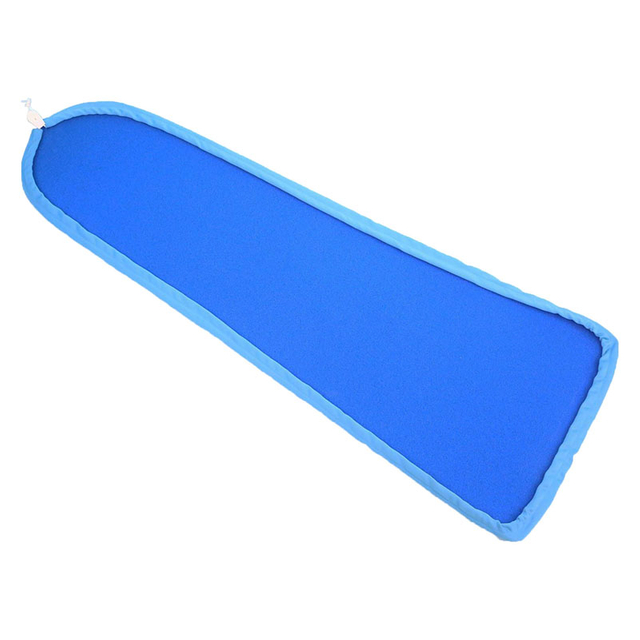
Thickness directly changes how a Heat Press Pad behaves during pressing. It affects both heat flow and pressure response. When the press closes, the pad compresses. If the thickness is not correct, contact becomes uneven. That leads to visible defects or unstable results.
In practical use, thickness controls several key factors at once:
It influences how fast heat moves from the plate to the material. A thinner pad usually allows quicker heat transfer, while a thicker one slows it down slightly.
It determines how pressure spreads across the surface. A thicker pad absorbs more variation, but too much thickness can reduce pressure precision.
It affects compression behavior during repeated cycles. If the pad compresses too much, it may lose shape over time.
To understand this better, look at how thickness impacts performance:
Thickness Level | Heat Transfer | Pressure Response | Typical Result |
|---|---|---|---|
Thin | Fast and direct | Firm and precise | High accuracy, less cushioning |
Medium | Balanced | Stable and even | Consistent everyday performance |
Thick | Slower but stable | Soft and adaptive | Better for uneven surfaces |
When users complain about inconsistent results, thickness is often the hidden cause. It is not just about material quality. It is about how the pad fits the process.
Different thickness levels serve different purposes. There is no universal best option. It always depends on how the machine operates and what material is being processed.
Let’s break down the practical differences:
Thin Heat Press Pads
They provide firm support and direct pressure transfer. This makes them suitable for flat surfaces and precise applications. However, they do not compensate well for uneven materials. If the surface is not perfectly flat, pressure may concentrate in certain areas.
Medium Thickness Heat Press Pads
They offer a balance between support and flexibility. This type is widely used because it adapts to most conditions. It provides enough cushioning without losing pressure control. For many users, this is the safest starting point.
Thick Heat Press Pads
They are designed for situations where surfaces are uneven or materials vary in thickness. They absorb gaps and reduce the risk of damage. However, too much thickness can reduce pressure accuracy and slow heat transfer.
Here is a quick comparison to help decision-making:
Pad Type | Advantages | Limitations | Best Use Case |
|---|---|---|---|
Thin | Fast heat transfer, precise pressure | Poor gap filling | Flat surfaces, rigid materials |
Medium | Balanced performance, stable results | May not handle large gaps | General-purpose pressing |
Thick | Strong cushioning, gap compensation | Less precise pressure | Uneven surfaces, delicate fabrics |
Choosing the right Heat Press Pad thickness starts from one simple step: measure the gap. The gap is the space between the upper plate and the working surface when the material is in place. If the pad does not match this space, performance will drop.
In real scenarios, users often overlook this step. They choose based on habit or previous experience. That can lead to under-compression or over-compression.
Follow a practical approach:
Measure the total working height, including the material and any layers. This gives a clear idea of how much space needs to be filled.
Select a pad thickness that allows slight compression when the press closes. The pad should not remain loose, and it should not be overly compressed.
Consider machine type. Vacuum tables, steam systems, or perforated surfaces may require more breathable or adaptive structures.
When selecting a Heat Press Pad, material choice is just as critical as thickness. The two most common core materials are silicone foam and silicone rubber. They may look similar, but they behave very differently under heat and pressure.
Silicone foam is softer and more flexible. It compresses easily and recovers quickly after use. This makes it ideal for applications where airflow and cushioning are important. It also allows steam to pass through more efficiently, which helps reduce moisture buildup during pressing.
Silicone rubber, on the other hand, is denser and more stable. It provides stronger structural support and maintains its shape under high pressure. It does not compress as easily, which makes it better for applications requiring precise pressure control and a firm pressing surface.
A Heat Press Pad is rarely just a single material. Most high-performance pads use a layered structure. Each layer plays a specific role, and together they improve overall performance.
Let’s look at how these supporting materials contribute:
Felt Layer
Felt adds body and cushioning to the pad. It helps distribute pressure more evenly across the surface. It also absorbs minor irregularities in the material being pressed. This improves consistency, especially in garment finishing applications.
Fabric Cover Layer
The outer fabric layer protects the pad and the material being processed. It reduces direct friction and improves surface durability. It also helps maintain a smooth pressing finish, which is important for visible surfaces.
Mesh or Net Layer
Mesh supports airflow and steam release. It prevents moisture from being trapped inside the pad. In steam-based systems, this layer plays a key role in maintaining efficiency and preventing dampness.
Material selection directly affects how a Heat Press Pad performs over time. It is not only about handling heat. It also involves managing airflow, moisture, and repeated compression.
Breathable materials, such as silicone foam and mesh layers, allow steam to pass through the pad. This prevents moisture from being trapped between the pressing surface and the material. If steam cannot escape, it can lead to uneven results or surface defects.
Durability is also tied to material choice. A pad used in daily production must withstand repeated heating and compression cycles. Materials must maintain their structure, elasticity, and thickness over time. If they lose shape, performance will drop quickly.
Key material performance factors include:
Breathability
Helps release steam and maintain dry working conditions. It improves consistency and reduces pressing defects.
Compression Recovery
Allows the pad to return to its original shape after use. This ensures stable performance over long periods.
Heat Stability
Prevents deformation under high temperatures. It keeps the pad reliable in industrial environments.
Wear Resistance
Protects the surface from damage during repeated use. It extends the service life of the pad.
A well-designed Heat Press Pad balances all these factors. It should not focus on only one property while ignoring others.
The best Heat Press Pad material depends on how and where it will be used. Different environments place different demands on the pad. Choosing the wrong material can lead to inefficiency or poor results.
Start by identifying your working conditions:
If your process involves steam or moisture, choose breathable materials like silicone foam combined with mesh. This helps maintain airflow and prevents steam buildup.
If your application requires high pressure and precision, silicone rubber provides better structural stability and controlled compression.
If you are working with delicate fabrics, softer materials and layered structures help protect the surface and reduce damage.
If your equipment includes vacuum or perforated tables, materials must support airflow and maintain consistent pressure across open surfaces.
Choosing the right Heat Press Pad becomes easier when you follow a clear process. Many users skip steps and rely on guesswork. That often leads to poor performance or early replacement.
Here is a practical workflow you can follow:
Step 1: Define your application
Think about how you use the press. Is it for garments, heat transfer, or industrial pressing? Each case requires different pressure and airflow behavior. Understanding your application helps narrow down material and thickness options.
Step 2: Measure the working gap
Check the space between the upper plate and the working surface. Include the material thickness. The pad should fill this space and compress slightly during operation. If it is too thin, contact becomes uneven. If it is too thick, pressure becomes unstable.
Step 3: Choose the material structure
Decide between silicone foam, silicone rubber, or layered structures. Foam works better for airflow and flexibility. Rubber provides stability and precision. Multi-layer pads combine advantages from both.
Step 4: Confirm working conditions
Consider steam, pressure level, and frequency of use. High-temperature or continuous operation requires more durable materials.
A good Heat Press Pad must perform consistently over time. It is not enough for it to work well at the beginning. It must maintain shape and performance after repeated use.
Focus on three key properties:
Compression Behavior
The pad should compress evenly across the surface. Uneven compression leads to inconsistent pressure zones. During testing, apply pressure and check if the surface remains uniform.
Elastic Recovery
After compression, the pad should return to its original shape. If it stays flattened, it will lose effectiveness quickly. This is especially important in high-frequency operations.
Long-Term Stability
Over time, materials degrade due to heat and pressure. A stable pad maintains thickness and structure even after many cycles.
Even a high-quality Heat Press Pad will not last forever. Over time, it loses performance due to repeated heat and pressure cycles. Recognizing early signs helps avoid defects and downtime.
Watch for these common indicators:
Surface unevenness
If the pad no longer feels flat, pressure becomes inconsistent. This often results in uneven pressing marks or poor transfer quality.
Loss of elasticity
When the pad does not recover after compression, it becomes less effective. It may feel harder or permanently compressed.
Reduced thickness
Continuous use can compress the pad beyond its original design. If thickness drops significantly, it cannot fill the gap properly anymore.
Decline in pressing quality
If results become inconsistent without other changes in settings, the pad may be the cause.
Replacing the pad at the right time keeps the process stable and avoids quality issues.
When buying a Heat Press Pad, users often choose between standard sizes and custom solutions. Each option has its own advantages depending on the situation.
Standard pads are widely available and easy to install. They work well for common applications and general-purpose machines. However, they may not perfectly match specific equipment or unique processing conditions.
Custom pads offer more flexibility. They can be designed to fit exact machine dimensions, pressure requirements, and material needs. This is especially useful in industrial environments where precision matters.
Choosing the right Heat Press Pad means balancing thickness and material carefully. Proper selection improves heat transfer, pressure stability, and long-term performance. Shine Young offers silicone foam and layered pads designed for durability, airflow, and consistent results.
A: A Heat Press Pad ensures even pressure and heat distribution.
A: Match the Heat Press Pad thickness to your equipment gap.
A: Material affects airflow, durability, and pressing performance.
A: Replace it when it becomes uneven or loses elasticity.
A: Custom Heat Press Pad fits better for specific machines.


