close
Choose Your Site
Global
Social Media
Views: 0 Author: Site Editor Publish Time: 2026-04-09 Origin: Site

Why do some garments still show marks after pressing? Many overlook the role of a Heat Press Pad. Small changes in support can affect final results more than expected.A Heat Press Pad improves pressure balance and surface contact. Many beginners are unsure how it works or how to choose the right one.
In this article, you will learn what a Heat Press Pad is, how it works, and how to select the best option for smoother and more consistent pressing results.
A Heat Press Pad is a heat-resistant padding layer used during ironing or garment pressing. It sits on an ironing table or under fabric during pressing work. The purpose is to create a smooth, supportive, and stable surface. This surface helps heat and pressure transfer evenly across the fabric.
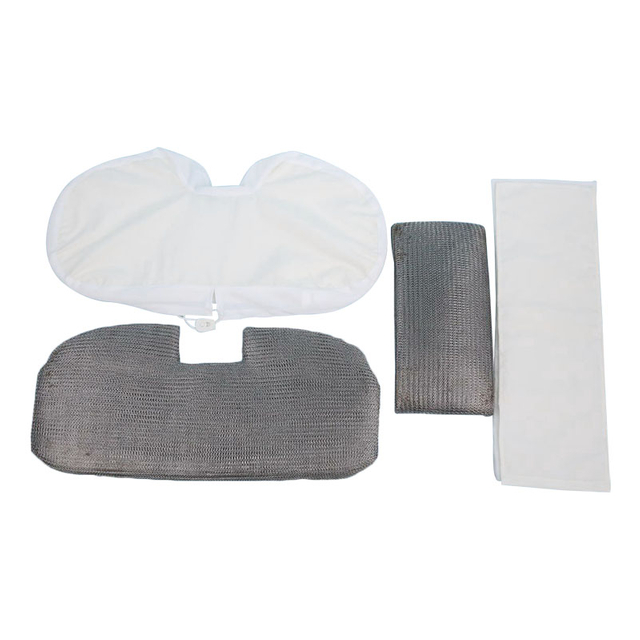
Unlike a simple cloth cover, a Heat Press Pad usually has multiple layers. These layers often include silicone foam, felt, and durable fabric. Each layer performs a specific role. Together, they create a balanced structure that handles heat, pressure, and repeated use.
Core features of a Heat Press Pad:
Heat resistance supports high-temperature ironing and pressing processes.
Pressure support improves consistency across the entire surface.
Surface smoothness reduces marks and uneven results.
Structural resilience allows repeated use without rapid deformation.
In professional solutions from Shine Young, this type of pad is part of a complete pressing system. Their products combine silicone foam and felt materials to handle demanding garment-finishing environments.
A Heat Press Pad improves how heat and pressure interact with fabric. Direct pressing on a hard surface often creates uneven force. Some areas receive too much pressure, while others receive too little. This imbalance leads to wrinkles, shine marks, or inconsistent results.
The pad works as a functional layer that balances these forces.
Main working effects:
Distributes pressure evenly across the fabric surface.
Fills small gaps between fabric and pressing plate.
Stabilizes fabric position during pressing.
Reduces direct contact with rigid surfaces.
This improves overall pressing quality. Fabric becomes smoother, and results are more consistent.
Heat resistance is another key function. Materials such as silicone foam maintain shape under high temperatures. Felt layers add cushioning and help absorb excess heat. Breathable structures allow steam to pass through. This prevents moisture buildup and supports efficient pressing.
Function | Performance Impact | Practical Benefit |
|---|---|---|
Pressure distribution | Even contact across surface | Fewer wrinkles and marks |
Heat resistance | Stable under high temperature | Longer service life |
Cushioning | Balanced support | Protects fabric texture |
Breathability | Steam flow through layers | Better drying and finish |
Shine Young highlights material design in this process. Open-cell silicone foam improves airflow. Closed-cell foam provides structural stability. This combination supports both durability and performance.
A Heat Press Pad is widely used in environments where consistent pressing quality is required. Many beginners first encounter the product when searching for ironing table accessories. In practice, the applications extend far beyond basic use.
Typical usage scenarios:
Ironing tables for daily garment care
Steam pressing machines in laundry systems
Shirt finishing and form finishing equipment
Tailoring workshops and garment factories
Each scenario places different demands on the pad. Some require better airflow. Others require stronger pressure support. The pad becomes a functional component rather than a simple accessory.
Application Area | Usage Purpose | Key Requirement |
|---|---|---|
Ironing table | Smooth pressing surface | Heat resistance and flatness |
Steam press system | Handle moisture and steam | Breathability and resilience |
Garment finishing | Maintain fabric shape | Pressure balance |
Laundry operations | Repeatable results | Durability |
Shine Young’s product range reflects these real-world needs. Their ironing table pads and pressing pads are designed for both standard and specialized equipment. Custom options are also available. This allows users to match pad thickness, size, and material to specific machines and workflows.
When choosing a Heat Press Pad, material selection directly affects performance. Many beginners focus only on thickness or price. In real use, material defines how the pad behaves under heat and pressure. A poor choice often leads to uneven pressing results or a short lifespan.
Several key performance factors depend on the internal structure:
Heat resistance
High temperatures are constant during pressing. Materials must remain stable under repeated exposure. Low-quality foam may soften or deform quickly. Silicone-based materials maintain shape and performance much longer.
Pressure resistance
Pressing involves continuous force. Materials must resist compression and recover after use. Without proper support, the surface becomes uneven. That directly affects fabric quality.
Resilience and rebound
Good materials bounce back after pressure is released. This keeps the working surface flat. Without strong resilience, the pad gradually loses effectiveness.
Breathability
Steam pressing requires airflow. Materials such as open-cell foam allow air and moisture to pass through. This improves drying and prevents trapped steam.
Durability
A Heat Press Pad must handle repeated cycles. Materials need to resist wear, heat, and pressure together. Long-term stability becomes critical in frequent use environments.
In Shine Young products, these factors are addressed through engineered silicone foam structures. Their designs balance airflow and strength, which is essential in professional garment finishing.
A typical Heat Press Pad uses a layered construction. Each material plays a specific role. Together, these layers create a balanced pressing surface that handles heat, pressure, and fabric contact.
Main materials used in Heat Press Pads:
Silicone foam
This material forms the core in many high-performance pads. It handles high temperatures and maintains structure under pressure. It also resists long-term deformation.
Felt layers
Felt provides cushioning and softness. It helps distribute pressure evenly across the fabric. It also protects delicate materials from direct heat impact.
Fabric cover layers
The outer layer is usually heat-resistant fabric. This layer protects the internal structure. It also creates a smooth and consistent surface for pressing.
Multi-layer construction
High-quality pads combine several materials. This improves overall performance. Each layer contributes to heat resistance, airflow, and pressure support.
Shine Young uses both open-cell and closed-cell silicone foam in their designs. Open-cell foam improves airflow and breathability. Closed-cell foam provides stronger structural support. This combination allows the pad to perform well in different pressing conditions.
When comparing options, beginners often choose between silicone-based pads and felt-based pads. Each material behaves differently under heat and pressure. The right choice depends on the application and working conditions.
Silicone foam offers strong structural stability. Felt provides softer cushioning and flexibility. In many professional designs, both materials are combined to achieve better balance.
Key differences between silicone and felt-based pads:
Silicone foam handles higher temperatures without losing shape.
Felt creates a softer pressing surface and improves comfort.
Silicone maintains pressure stability during repeated use.
Felt compresses more easily and adapts to fabric contours.
Feature | Silicone Heat Press Pad | Felt-Based Pressing Pad |
|---|---|---|
Heat resistance | High temperature stability | Moderate heat tolerance |
Pressure support | Strong and stable | Soft and flexible |
Resilience | High rebound after compression | Lower rebound over time |
Breathability | Depends on foam structure | Naturally breathable |
Durability | Longer lifespan in heavy use | Better for light to medium use |
Choosing the correct Heat Press Pad starts from size and shape. Many beginners ignore this step. A mismatch often leads to poor pressing results. The pad must fully match the ironing table or pressing surface. If it is too small, pressure becomes uneven. If it is too large, installation becomes unstable.
Different shapes are designed for different tasks:
Flat pads
These are used for standard ironing tables. They provide a smooth, even surface. They work well for general garment pressing and daily use.
Shaped pads
These include sleeve pads, shoulder pads, or contour pads. They help press curved areas. They are common in tailoring and garment finishing.
Machine-specific pads
Some pressing systems require custom shapes. These pads must fit exact dimensions. Shine Young offers customized solutions for different machines and workflows.
To avoid mistakes, beginners should measure the pressing area first. Then compare pad dimensions carefully. A correct fit improves stability, airflow, and overall performance.
Different applications require different types of Heat Press Pad. A single solution does not fit all scenarios. Understanding the use case helps narrow down the right choice.
Daily ironing table use
A standard flat pad works well here. Medium thickness is usually enough. The focus is on smoothness and basic heat resistance.
Steam pressing systems
Breathability becomes critical. Pads must allow steam to pass through. Open-cell silicone foam performs better in this case.
Shirt finishing and garment shaping
Precision matters more than size. Shaped pads help maintain garment structure. Soft layers improve surface contact.
Professional vs light-duty use
Professional environments require higher durability. Silicone foam core structures last longer. Light-duty use may rely more on felt-based pads.
Application Type | Recommended Pad Type | Key Requirement |
|---|---|---|
Daily ironing | Flat standard pad | Smooth surface and stability |
Steam pressing | Breathable pad | Airflow and moisture control |
Garment shaping | Shaped pad | Flexibility and contour support |
Industrial use | Silicone foam pad | Durability and pressure resistance |
Shine Young designs pads for these scenarios. Their products combine silicone foam and felt layers. This allows one system to adapt to multiple pressing needs.
Before buying a Heat Press Pad, several factors should be checked carefully. These details directly affect performance and lifespan. Skipping them often leads to poor results.
Important checkpoints:
Material
Silicone foam offers strong support and heat resistance. Felt provides softer cushioning. A layered design usually performs better.
Thickness
Thicker pads provide more cushioning. Thinner pads offer better control. The right thickness depends on the application.
Surface feel
A smooth surface improves fabric contact. Rough surfaces may leave marks. Always check the outer layer quality.
Heat resistance
The pad must handle repeated high temperatures. Low resistance leads to deformation.
Breathability
Necessary for steam-based systems. Poor airflow causes moisture buildup.
Compatibility
The pad must match the ironing table or machine. Incorrect fit reduces efficiency.
Custom vs standard options
Standard pads work for general use. Custom pads fit specific machines better. Shine Young provides both options, which helps users match exact requirements.
These factors work together. A good pad balances all of them instead of focusing on one feature only.
A Heat Press Pad does not last forever. Over time, materials degrade. Performance begins to drop. Recognizing early signs helps maintain pressing quality.
Common replacement signals:
Uneven surface
The pad no longer stays flat. This causes inconsistent pressure distribution.
Loss of resilience
The pad does not recover after compression. This leads to permanent deformation.
Poor airflow or steam performance
Steam does not pass through effectively. Moisture builds up during pressing.
Inconsistent results
Fabrics show uneven finishing. Wrinkles or marks appear more often.
Visible wear or damage
Flattening, burns, or surface damage become noticeable.
In professional environments, these signs appear faster due to frequent use. Shine Young designs pads to extend service life. Their silicone foam structures maintain shape longer under pressure and heat.
Using a Heat Press Pad correctly starts from how it is placed. The pad should lie flat on the ironing table or pressing surface. Any folds or uneven spots can affect pressure distribution. A stable base allows heat and pressure to spread evenly across the fabric. Before pressing begins, always check that the surface feels smooth and consistent.
The pad should suit the specific application. Flat pads are ideal for general ironing work, while shaped pads handle detailed garment areas better. In professional setups, such as those supported by Shine Young, pads are often designed for specific machines. A correct match improves workflow and helps achieve more precise results. Proper alignment between pad and equipment makes pressing easier to control.
A pad in poor condition will reduce performance. When the structure loses resilience, pressure becomes uneven. This can lead to marks or inconsistent finishing. Regular checks before use help identify early signs of wear. Replacing or adjusting the pad in time ensures stable results and protects fabric quality.
During regular use, residue from fabric, dust, and moisture can build up. This affects heat transfer and may leave unwanted marks. Cleaning the surface regularly helps maintain smooth contact. A clean pad supports more consistent pressing results and reduces fabric defects.
Over time, repeated pressure can cause compression or uneven areas. Some sections may feel harder or flatter than others. These changes reduce pressing quality. Frequent inspection helps detect these issues early. Addressing them quickly prevents performance loss during operation.
A consistent routine improves durability. Cleaning, checking surface condition, and ensuring correct placement should be done regularly. In high-use environments, maintenance becomes even more important. Shine Young designs pads using silicone foam to improve resilience, yet regular care still plays a key role in keeping performance stable.
A Heat Press Pad plays a key role in improving pressing quality, helping distribute heat and pressure more evenly while protecting fabric surfaces. Material choice, structure, and proper maintenance all affect performance and durability in real use. Shine Young offers silicone foam-based pads designed for stability, resilience, and breathable performance, providing reliable solutions for both standard and customized garment pressing needs.
A: A Heat Press Pad is used to improve heat and pressure distribution during pressing.
A: A Heat Press Pad creates a smoother surface and reduces uneven pressure.
A: A Heat Press Pad made of silicone foam offers higher durability and heat resistance.
A: Choose a Heat Press Pad based on size, material, thickness, and application needs.
A: Replace a Heat Press Pad when it loses shape, resilience, or pressing consistency.